


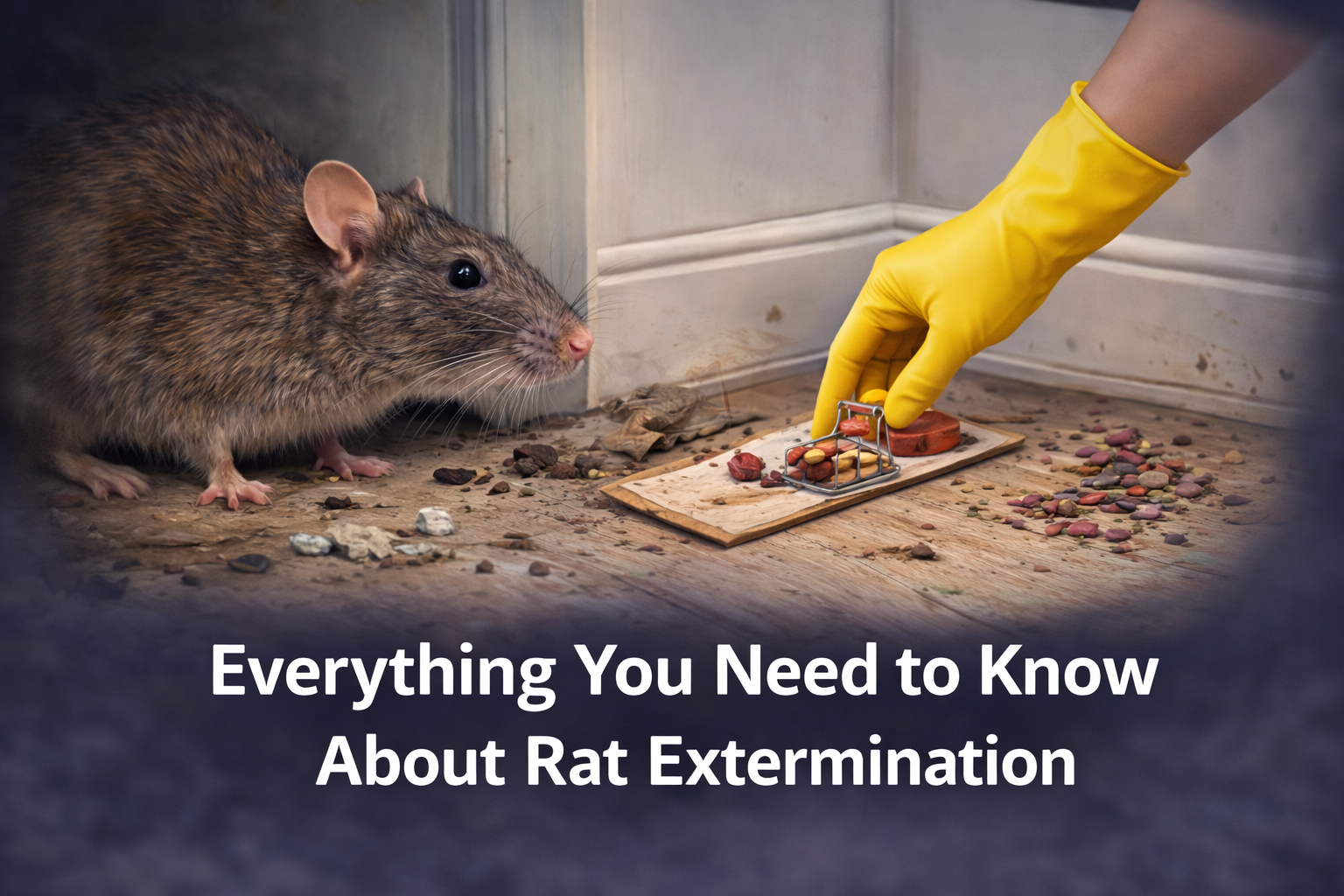
Rats are among the most persistent and destructive household pests, making rat extermination one of the toughest challenges homeowners face. Beyond their intelligence and adaptability, rats bring along an entire ecosystem of secondary pests—fleas, ticks, mites, and bacteria—that can trigger serious health risks for your family. From structural damage to disease transmission, a rat infestation should never be ignored.
Once rats infiltrate your home, quick action and effective extermination strategies are critical to prevent long-term damage. The longer the infestation goes unchecked, the harder—and more expensive—it becomes to control.
In this comprehensive guide, we’ll cover everything you need to know about rat extermination, including why rats are so difficult to eliminate, proven do’s and don’ts, common mistakes to avoid, and expert tips to prevent future infestations. Follow these best practices to keep your home rat-free, hygienic, and safe.
Why Is Rat Extermination So Difficult?
Understanding why rats are hard to eliminate is the first step toward effective control. Rats are highly intelligent, cautious, and resilient creatures. They can squeeze through openings as small as a coin, climb vertical surfaces, swim through drains, and survive on minimal food sources.
Key reasons rat extermination is challenging include:
- Rapid breeding: A single pair of rats can produce dozens of offspring in a year.
- Nocturnal behavior: Rats are mostly active at night, making them hard to detect early.
- Adaptability: Rats quickly learn to avoid traps and unfamiliar objects.
- Disease carriers: Rats can transmit diseases such as leptospirosis, salmonella, and hantavirus, along with parasites like fleas and ticks.
If you spot even one rat, chances are there are many more hiding within walls, attics, basements, or crawl spaces. Early intervention significantly reduces the risk of a full-blown infestation.
Do’s of Rat Extermination
1. Be Prepared With the Right Materials
Before beginning any rat extermination effort, preparation is essential. Gather the right tools, including:
- Rat traps (snap traps or enclosed bait traps)
- Protective gloves and masks
- Flashlight for inspecting dark areas
- Cleaning supplies and disinfectants
- Sealants like caulk or steel wool
Proper preparation improves efficiency and reduces health risks during the extermination process.
2. Use Bait Traps Instead of Poison
While rat poison may seem like a quick fix, it often creates more problems than solutions. Poisoned rats may die inside walls, leading to foul odors and secondary pest infestations.
Bait traps are:
- Safer for homes with children and pets
- More controlled and targeted
- Easier to monitor and dispose of
Use peanut butter, nuts, or dried fruits as bait, and place traps along walls where rats commonly travel.
3. Consider Humane Trapping and Relocation
For homeowners seeking a humane approach, live traps can be an option. If you capture a rat alive:
- Relocate it several miles away from your home
- Release it in a suitable outdoor environment
- Wear gloves and avoid direct contact
Note: Some regions have regulations regarding wildlife relocation, so check local guidelines before proceeding.
4. Stay Vigilant After Initial Removal
Even after removing visible rats, continued monitoring is essential. Inspect high-risk areas such as:
- Attics
- Basements
- Garages
- Kitchens and pantries
Look for signs like droppings, gnaw marks, shredded nesting material, or unusual noises. Early detection prevents reinfestation.
5. Hire a Professional Rat Exterminator When Needed
If the infestation is severe or recurring, professional rat extermination services are highly recommended. Pest control experts:
- Identify hidden nests and entry points
- Use advanced extermination techniques
- Provide long-term prevention strategies
Professional exterminators save time, reduce health risks, and ensure thorough elimination.
Don’ts of Rat Extermination
1. Do Not Use Harmful Chemicals Around Children or Pets
Rodenticides and toxic chemicals pose serious dangers to humans and animals. Accidental ingestion can lead to poisoning, hospitalization, or worse. Always prioritize safer extermination methods, especially in family households.
2. Avoid Harsh Chemical Cleaners After Infestation
Once rats are removed, cleaning is essential—but harsh chemicals like bleach and ammonia can:
- Irritate lungs and skin
- Trigger respiratory issues
- Be unsafe for pets
Instead, use natural disinfectants or pet-safe cleaners to sanitize affected areas safely.
3. Avoid Glue Traps
Glue traps may seem convenient, but they are inhumane and dangerous. Rats caught in glue traps often suffer prolonged pain, and other animals—including pets—can accidentally get trapped. These traps also pose a risk to children.
Choose ethical and safer alternatives whenever possible.
Additional Tips to Prevent Future Rat Infestations
Seal All Entry Points
Rats exploit even the smallest gaps. Inspect your home for:
- Cracks in walls and foundations
- Gaps around pipes and vents
- Openings near windows and doors
Seal these entry points using steel wool, caulk, or metal mesh to block access.
Store Food Properly
Food availability attracts rats. To reduce temptation:
- Store pantry items in airtight containers
- Clean crumbs and spills immediately
- Secure garbage bins with tight lids
- Store pet food in sealed containers
Maintain Your Yard and Landscaping
Overgrown shrubs, trees, and clutter provide shelter and entry paths for rats. Trim branches near roofs, clear debris, and avoid leaving wood piles near your home.
Conclusion
Rats are resilient pests, but effective rat extermination is possible with the right tools, knowledge, and precautions. By following the do’s and don’ts outlined above, you can protect your home from infestation and reduce health risks for your family.
If the problem feels overwhelming or persistent, professional rat extermination services offer the safest and most reliable solution. Acting early ensures complete removal and long-term prevention—helping you maintain a clean, healthy, and rat-free home.