


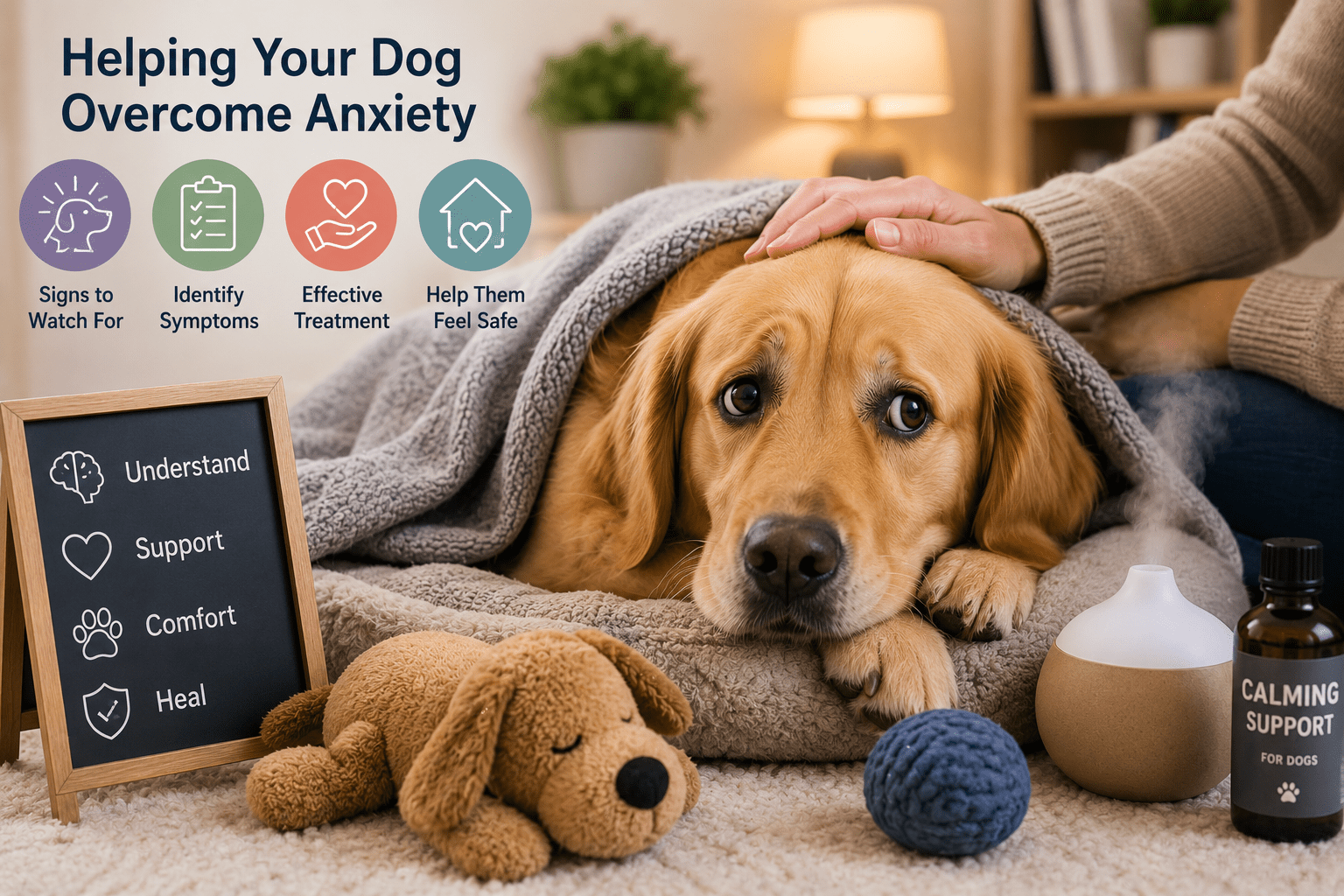
Dogs experience emotions much like humans do. They can feel excitement, fear, happiness, stress, and anxiety depending on their environment and experiences. While occasional nervousness is normal, persistent anxiety in dogs can negatively affect their physical health, emotional well-being, and overall quality of life.
Many pet owners do not recognize the early signs of dog anxiety until behaviors become severe. Some dogs bark excessively, chew furniture, pace constantly, or become destructive when left alone. Others may hide, tremble, or refuse to eat during stressful situations. Anxiety can appear suddenly or develop gradually over time depending on the dog’s personality, history, and surroundings.
As awareness about canine mental health continues to grow, veterinarians and pet behavior experts are encouraging pet owners to pay closer attention to emotional wellness. According to the American Kennel Club, anxiety is one of the most common behavioral issues affecting dogs today. Proper understanding, early intervention, and supportive care can make a major difference in helping anxious dogs feel safer and more comfortable.
What Is Anxiety in Dogs?
Anxiety in dogs is a condition that causes excessive fear, nervousness, stress, or emotional discomfort. Dogs experiencing anxiety often react strongly to certain situations, people, sounds, or environmental changes. While some stress responses are temporary and harmless, chronic anxiety can interfere with normal behavior and daily functioning.
Anxious dogs may struggle to relax even in familiar environments. Some become overly attached to their owners, while others react fearfully to noises, strangers, or separation. Anxiety can affect dogs of all breeds, sizes, and ages, although certain dogs may be more prone to stress due to genetics or past experiences.
Canine anxiety is not simply “bad behavior.” In many cases, anxious behavior is a response to fear or emotional discomfort. Understanding this distinction is important because punishment often increases anxiety rather than resolving it.
Recognizing the underlying emotional cause allows pet owners to approach treatment with patience, consistency, and compassion.
Common Causes of Anxiety in Dogs
Separation Anxiety
Separation anxiety is one of the most common forms of anxiety in dogs. Dogs with separation anxiety become distressed when left alone or separated from their owners. Some dogs may bark continuously, scratch doors, destroy furniture, or attempt to escape while alone.
This condition often develops because dogs form strong emotional bonds with their families. Changes in routine, moving homes, extended owner absence, or sudden schedule changes can trigger separation-related stress.
Dogs that spend most of their time with owners may struggle more when left alone unexpectedly.
Fear-Related Anxiety
Fear anxiety occurs when dogs react strongly to certain triggers such as thunderstorms, fireworks, loud noises, strangers, or unfamiliar environments. Dogs experiencing fear may shake, hide, drool excessively, or attempt to escape the situation.
Noise anxiety is particularly common during fireworks and storms because dogs hear sounds much more intensely than humans. Sudden loud noises can overwhelm the nervous system and create panic responses.
Some dogs also develop fear due to past traumatic experiences or lack of socialization during puppyhood.
Age-Related Anxiety
Older dogs sometimes develop anxiety as they age. Cognitive decline, reduced vision, hearing loss, or confusion can make senior dogs feel insecure and stressed.
Canine cognitive dysfunction, which resembles dementia in humans, may contribute to nighttime anxiety, pacing, disorientation, and changes in sleep patterns. Senior dogs often require additional emotional reassurance and routine stability.
Environmental Changes
Dogs thrive on routine and familiarity. Significant changes in environment or daily schedules can trigger stress and uncertainty. Moving to a new home, introducing a new pet, welcoming a baby, or changes in family dynamics may increase anxiety levels.
Even smaller disruptions such as rearranged furniture, travel, or different walking schedules can affect sensitive dogs.
Dogs often feel safer when their surroundings remain predictable and stable.
Signs and Symptoms of Anxiety in Dogs
Excessive Barking and Whining
One of the earliest signs of dog anxiety is excessive vocalization. Dogs may bark continuously, whine loudly, or howl when feeling stressed or frightened.
Dogs with separation anxiety frequently vocalize when owners leave the home. Fearful dogs may bark in response to noises, strangers, or unfamiliar situations.
Persistent vocal behavior usually indicates emotional discomfort rather than simple attention-seeking.
Pacing and Restlessness
Anxious dogs often struggle to relax. They may pace back and forth, circle rooms repeatedly, or appear unable to settle down.
Restlessness is common during storms, fireworks, or periods of anticipation. Dogs experiencing anxiety remain alert and tense because their nervous system stays overstimulated.
Repeated pacing over long periods may indicate chronic stress or emotional distress.
Destructive Behavior
Chewing furniture, scratching doors, tearing objects, and digging are common symptoms of canine anxiety. Destructive behaviors frequently occur when dogs feel trapped, frightened, or overwhelmed.
Dogs with separation anxiety often destroy household items because they panic when left alone. These actions are usually coping behaviors rather than intentional disobedience.
Providing healthy outlets for mental stimulation may help reduce destructive tendencies.
Trembling and Shaking
Physical signs of anxiety are often easy to recognize. Trembling, shaking, drooling, panting, and pinned-back ears commonly appear when dogs experience fear or stress.
Some dogs also tuck their tails, avoid eye contact, or crouch low to the ground when anxious.
These body language signals indicate that the dog feels unsafe or emotionally overwhelmed.
Changes in Appetite
Stress can affect a dog’s eating habits. Some anxious dogs refuse food entirely, while others overeat for comfort.
A sudden decrease in appetite may signal emotional distress, especially when combined with other behavioral symptoms. Long-term appetite changes should always be discussed with a veterinarian because medical conditions can also affect eating behavior.
Accidents Inside the House
Dogs experiencing severe anxiety may lose bladder or bowel control during stressful situations. House-trained dogs that suddenly begin urinating indoors may be reacting to fear, panic, or emotional stress.
Punishing accidents can worsen anxiety and increase confusion. Instead, identifying the emotional trigger is more effective for long-term improvement.
How Anxiety Affects a Dog’s Overall Health
Chronic anxiety affects more than behavior alone. Prolonged stress can weaken the immune system, disrupt digestion, reduce sleep quality, and increase inflammation throughout the body.
Dogs experiencing long-term anxiety often show reduced energy, digestive upset, skin problems, and changes in social behavior. Stress hormones such as cortisol remain elevated, placing strain on physical health over time.
Mental health and physical health are deeply connected in dogs. Supporting emotional wellness contributes significantly to overall quality of life.
Diagnosing Anxiety in Dogs
Veterinarians usually diagnose anxiety by reviewing behavioral patterns, medical history, and environmental factors. Some symptoms of anxiety may resemble medical conditions, making professional evaluation important.
For example, pain, thyroid disorders, neurological problems, or digestive discomfort can sometimes cause behavior changes that appear anxiety-related.
Behavioral specialists and trainers may also help evaluate triggers and identify specific anxiety patterns. Keeping a journal of symptoms, triggers, and behavioral changes can help professionals create more effective treatment plans.
Treatment Options for Anxiety in Dogs
Behavioral Training and Positive Reinforcement
Behavioral modification is one of the most effective treatments for canine anxiety. Positive reinforcement training helps dogs build confidence while creating healthier emotional responses.
Rewarding calm behavior with praise, treats, or affection encourages dogs to associate stressful situations with positive outcomes.
Punishment-based training methods should always be avoided because they increase fear and stress levels.
Consistency and patience are essential when working with anxious dogs. Progress often happens gradually over time.
Exercise and Mental Stimulation
Regular physical activity helps reduce anxiety by releasing excess energy and improving mood. Dogs that receive sufficient exercise are generally calmer and more emotionally balanced.
Mental stimulation is equally important. Puzzle toys, obedience games, scent work, training exercises, and interactive play help occupy the mind and reduce boredom-related stress.
Dogs with active minds and healthy routines often cope better with stressful situations.
Creating a Safe Environment
Anxious dogs benefit greatly from safe and predictable environments. Providing a quiet resting area, calming music, familiar bedding, and stable routines can help dogs feel more secure.
Some dogs feel safer in covered crates or quiet rooms during storms and fireworks. Maintaining a calm household atmosphere also helps reduce emotional tension.
Dogs often mirror the emotional energy of their owners, so calm behavior from humans can positively influence anxious pets.
Calming Products and Supplements
Many pet owners use calming aids to help manage mild anxiety symptoms. Calming treats, pheromone diffusers, anxiety wraps, and lick mats are commonly used to create comfort and relaxation.
Licking activities can help soothe dogs because repetitive licking releases calming endorphins. Some dogs also respond positively to veterinarian-approved calming supplements.
However, supplements should always be discussed with a veterinarian before regular use.
Medication for Severe Anxiety
In severe cases, veterinarians may prescribe anti-anxiety medication to help dogs manage overwhelming stress. Medication is often combined with training and behavioral therapy for the best results.
Prescription medication may be necessary for dogs experiencing severe panic attacks, destructive behavior, or intense separation anxiety.
Medical support should always be supervised by a licensed veterinarian to ensure safety and effectiveness.
Preventing Anxiety in Dogs
Early Socialization
Proper socialization during puppyhood helps dogs develop confidence and emotional resilience. Introducing puppies to different people, sounds, environments, and experiences reduces the risk of fear-related anxiety later in life.
Positive early experiences help dogs feel more comfortable adapting to new situations.
Consistent Daily Routines
Dogs feel safer when routines remain predictable. Feeding schedules, walks, bedtime, and playtime should happen consistently whenever possible.
Stable routines help reduce uncertainty and create emotional security.
Positive Experiences With New Situations
Gradual exposure to new experiences helps dogs build confidence. Positive reinforcement during travel, grooming, social interactions, and environmental changes teaches dogs that unfamiliar situations can be safe and rewarding.
Avoid forcing fearful dogs into overwhelming environments too quickly.
When to Seek Professional Help
Some anxiety symptoms improve with routine changes and training, while others require professional support. Dogs experiencing severe panic, self-harm, aggression, or persistent destructive behavior should be evaluated by a veterinarian or certified animal behaviorist.
Professional guidance helps identify triggers and develop customized treatment strategies.
Seeking help early often prevents anxiety from becoming more severe over time.
Final Thoughts
Anxiety in dogs is a serious but manageable condition that affects emotional and physical well-being. Dogs experiencing anxiety may display behaviors such as barking, pacing, trembling, destructive chewing, appetite changes, and fear responses.
Understanding the causes and symptoms of canine anxiety allows pet owners to provide more effective care and emotional support. With proper training, routine stability, mental stimulation, exercise, and veterinary guidance, many anxious dogs can learn to feel calmer and more secure.
Dogs rely heavily on their owners for safety, reassurance, and emotional stability. Patience, consistency, and compassionate care can make a meaningful difference in helping anxious dogs live healthier and happier lives.