


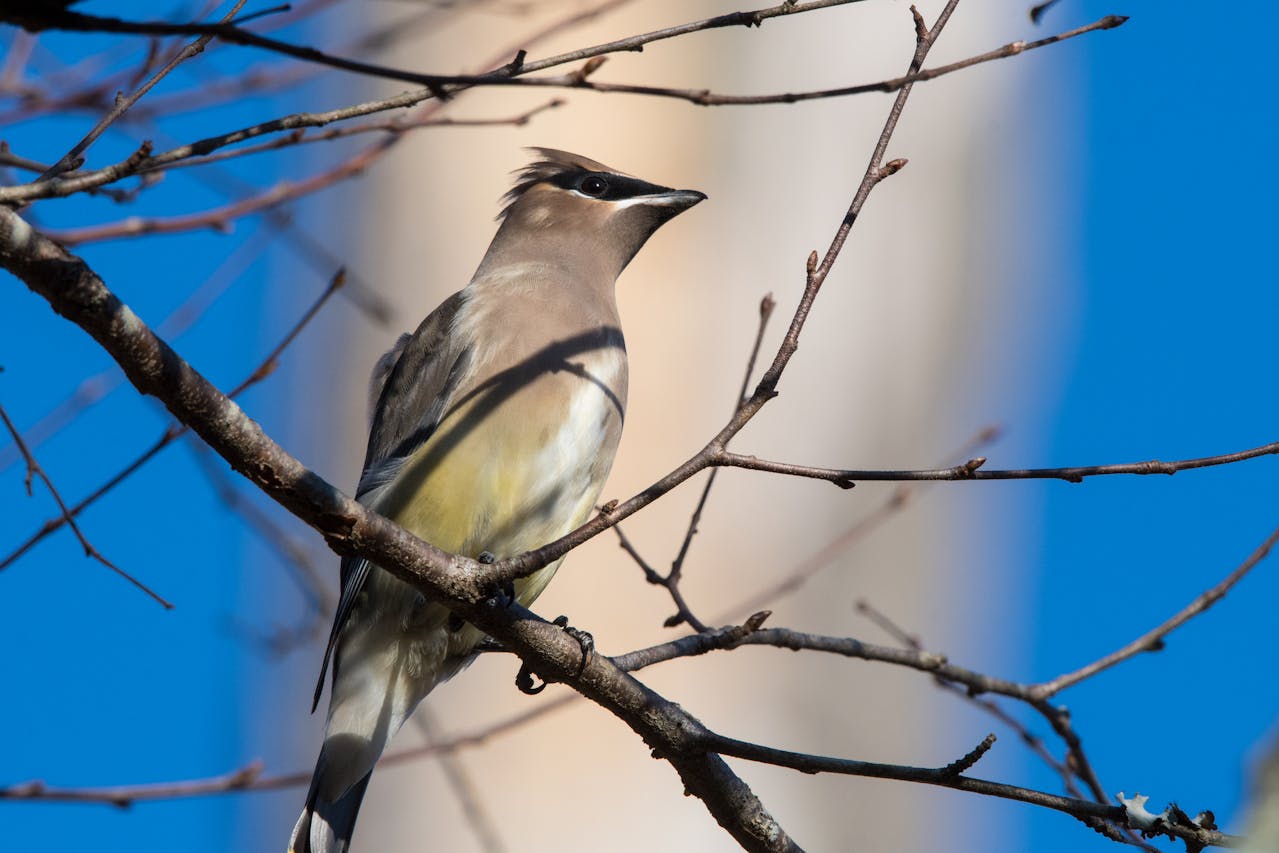
Birdwatching is a fulfilling hobby that relates you to nature. It is a very entertaining activity that is appropriate for anyone in any age bracket, any experience level, or any walk of life.
Whether you are new to birding or just want to brush up on your knowledge, this article will provide you with the necessary knowledge you need to begin and take full advantage of your bird-watching experience.
Bird Species
Let us familiarize ourselves with the different bird species that might be found in our locality before actually stepping out to birdwatch or make pet birds. Birds vary in size, shape, colors, and behaviors and each species has unique features which are wonderful to know about.
Start by learning about the common birds in your local area. For instance, in North America, some of the species you might see are the Northern Cardinal, American Robin, Blue Jay, and Mourning Dove. Each bird species has its specific habitat preferences, feeding habits, and seasonal patterns that can give you a good clue on where and when to spot them.
Why Bird Identification Matters
Birdwatching for beginners is not seeing birds but learning about them. Identification is an essential part of birdwatching, as it allows one to appreciate minute differences in species. The knowledge about these differences helps with the conservation of these birds and teaches people much more appreciation for the birds that live in their environment and make fitting companions.
The Common Identifiers:
- Size and Shape: Is the bird small or delicate and large or robust?
- Coloration: Examine the plumage of the bird. Is it vibrant and colorful or more muted?
- Behavior: Consider how the bird moves. Does it hop on the ground or soar high into the sky?
- Song or Call: Every bird species has a distinct call that can be another identification clue.
Identifying birds using these features enhances your general birding experience.
Basic Birdwatching Tools You Should Have
While birdwatching does not necessitate much equipment, several key tools really make a big difference.
- Binoculars: A good set of binoculars is probably the most necessary piece of gear for birding. Opt for binoculars with a minimum magnification power of 8x to 10x, as well as they should be water-resistant and mist-proof for easier use in varied weather conditions.
- Field Guide: A field guide to the birds in your region is indispensable. Most guides include pictures and descriptions that you can use for identification.
- Notebook: Writing a bird journal to record what you see, the behaviors of the birds, and unusual observations can be great fun as a way of recording your progress and reflecting on the experiences.
- Wear appropriate clothing: Birdwatching requires long walks or hikes, so wear comfortable shoes and suitable weather clothes.
- Camera: If you are into photography, consider a camera with a telephoto lens, which would avoid disturbing the birds you are attempting to photograph, and you can get some excellent images.
Best Practices for Bird Watching
Birdwatching should always be done with respect for nature and the animals you are observing. Here are a few essential rules to follow:
- Respect Wildlife: Always maintain a safe distance from birds. Avoid approaching them too closely or making sudden movements that could startle them.
- Do not Disturb Their Habitat: Stay on marked trails, avoid trampling through underbrush, and never disturb bird nests.
- Keep Quiet: Loud noises can drive birds away. Keep conversations at a low volume, and try to minimize your movements.
- Be Patient: Birdwatching often requires a lot of patience. Birds may not appear immediately, but with quiet persistence, you will get to see them.
- Time of Day: Birds are most active early in the morning or late in the afternoon. These are the best times to spot a wide variety of species.
Birdwatching Locations
Birds can be found just about everywhere, but some places are more rich in their own birdlife. Here are some kinds of places to consider:
- National Parks and Reserves: These sites tend to be more sanctuaries for various species of birds. Examples include Yellowstone, Everglades, and Yosemite National Park.
- Wetlands: Wetland sites, including marshes, swamps, and estuaries, are well known as havens for migratory birds and waterfowl.
- Woodlands and Forests: These are habitats that have heavily forested environments that may attract woodpeckers, owls, or warblers.
- Urban Parks: You do not have to be far from town to see some birds. Urban parks are good sites for seeing pigeons, sparrows, and starlings in the city.
Remember, bird watching can be done anywhere, and you may find surprising species even in your backyard.
Joining a Birding Community
One of the best ways to improve your birdwatching skills is by joining a birding community. Birding groups often organize outings where you can meet other bird watchers and learn from experienced individuals. They can help you with identification, share tips, and encourage you to explore new areas.
Birding communities also provide online forums, social media groups, and local clubs where you can share observations and experiences. Engaging with a community creates camaraderie and can make your birdwatching adventures more enjoyable.
Birdwatching as a Conservation Tool
Birdwatching is not only a hobby but also a means of playing an important role in conservation efforts. Participating in citizen science projects such as the Audubon Society’s Christmas Bird Count or Cornell Lab of Ornithology’s eBird allows you to add valuable data in tracking bird populations and migration patterns.
Many face habitat loss, climate change, and pollution. Birdwatching can be an eye-opener for informing and mobilizing people in fighting to protect them. Casual birdwatchers, too, can help in making a difference by noting their observations and reporting the counts to conservation organizations.
Conclusion
Birdwatching is a rewarding pastime and fills one’s mind with various chances to connect with nature. By knowing the bird species, using the proper tools, giving respects to nature, and getting a group of people close to the mind, one can have a really enriching birdwatching experience.
So, take those binoculars, go find that local park, and start observing this amazing world of birds today.