


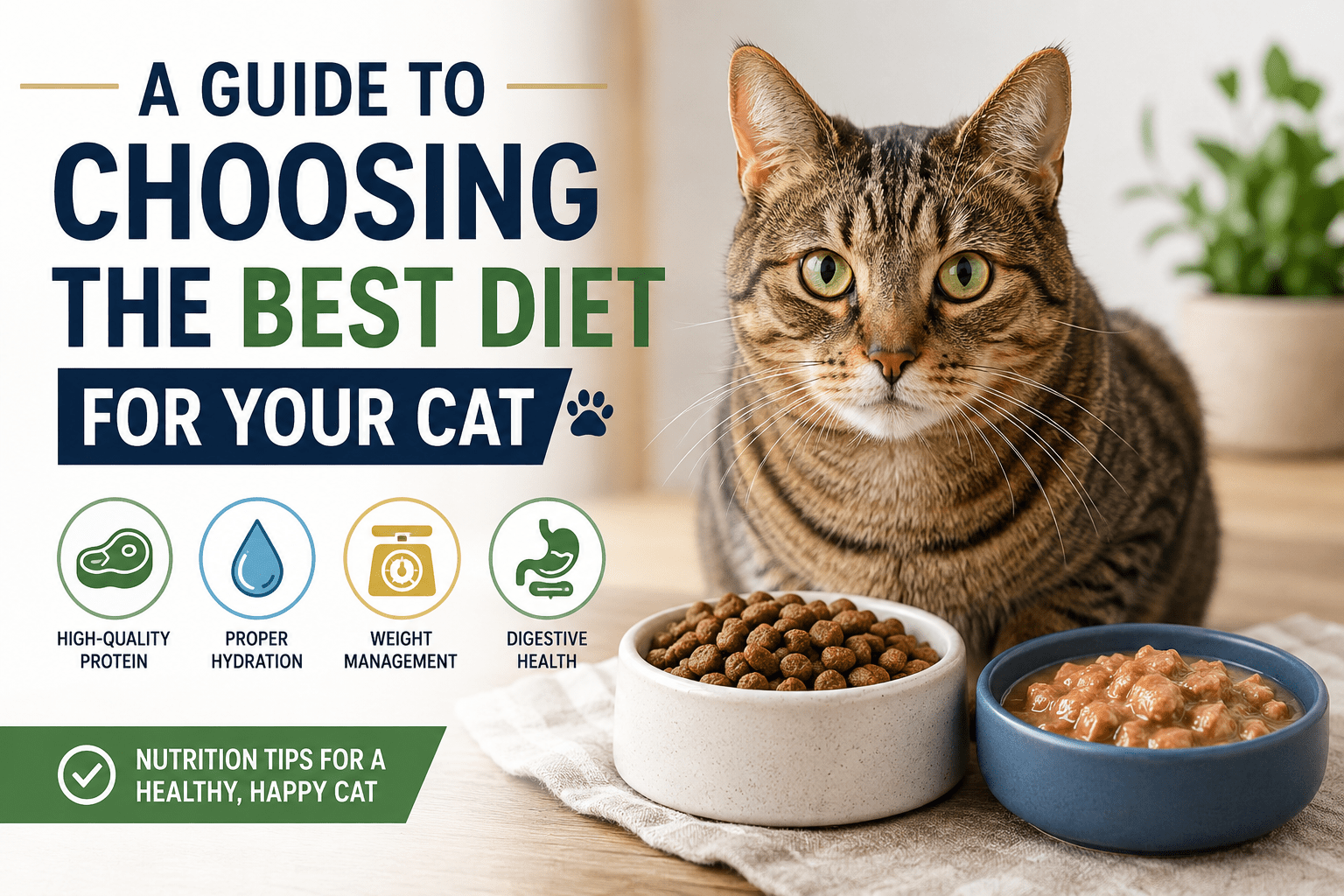
Cats rely on proper nutrition to stay healthy, active, and happy throughout their lives. The food you choose affects everything from energy levels and weight to skin health and digestion. With countless cat food options available today, many pet owners struggle to determine what is truly best for their feline companion.
A cat’s nutritional needs are very different from those of dogs and humans. Cats are obligate carnivores, which means they require nutrients found primarily in animal-based proteins. Feeding the wrong diet over time can lead to obesity, digestive issues, urinary problems, and other health concerns.
This guide explains how to choose the right diet for your cat based on age, health, lifestyle, and nutritional requirements. Whether you have a playful kitten, an active adult cat, or a senior companion, understanding feline nutrition can help you make informed decisions that support long-term health.
Why Diet Matters for Your Cat’s Health
Nutrition is one of the most important factors affecting a cat’s overall well-being. A balanced diet provides the essential proteins, fats, vitamins, and minerals needed for healthy growth, strong muscles, proper organ function, and immune system support.
Research published by the American Animal Hospital Association highlights that nutrition plays a direct role in preventing obesity, diabetes, and urinary tract disorders in cats. Obesity alone affects millions of household cats worldwide and increases the risk of serious health conditions.
Providing the right food helps maintain a healthy body weight, supports digestive health, improves coat quality, and contributes to a longer lifespan.
Understanding Your Cat’s Nutritional Needs
Cats have unique dietary requirements compared to many other pets. Their bodies are designed to process animal proteins efficiently and depend on specific nutrients that cannot be adequately supplied through plant-based foods alone.
Protein Is the Foundation of a Healthy Cat Diet
Protein should be the primary ingredient in your cat’s food. Animal proteins supply amino acids that support muscle maintenance, tissue repair, and immune function.
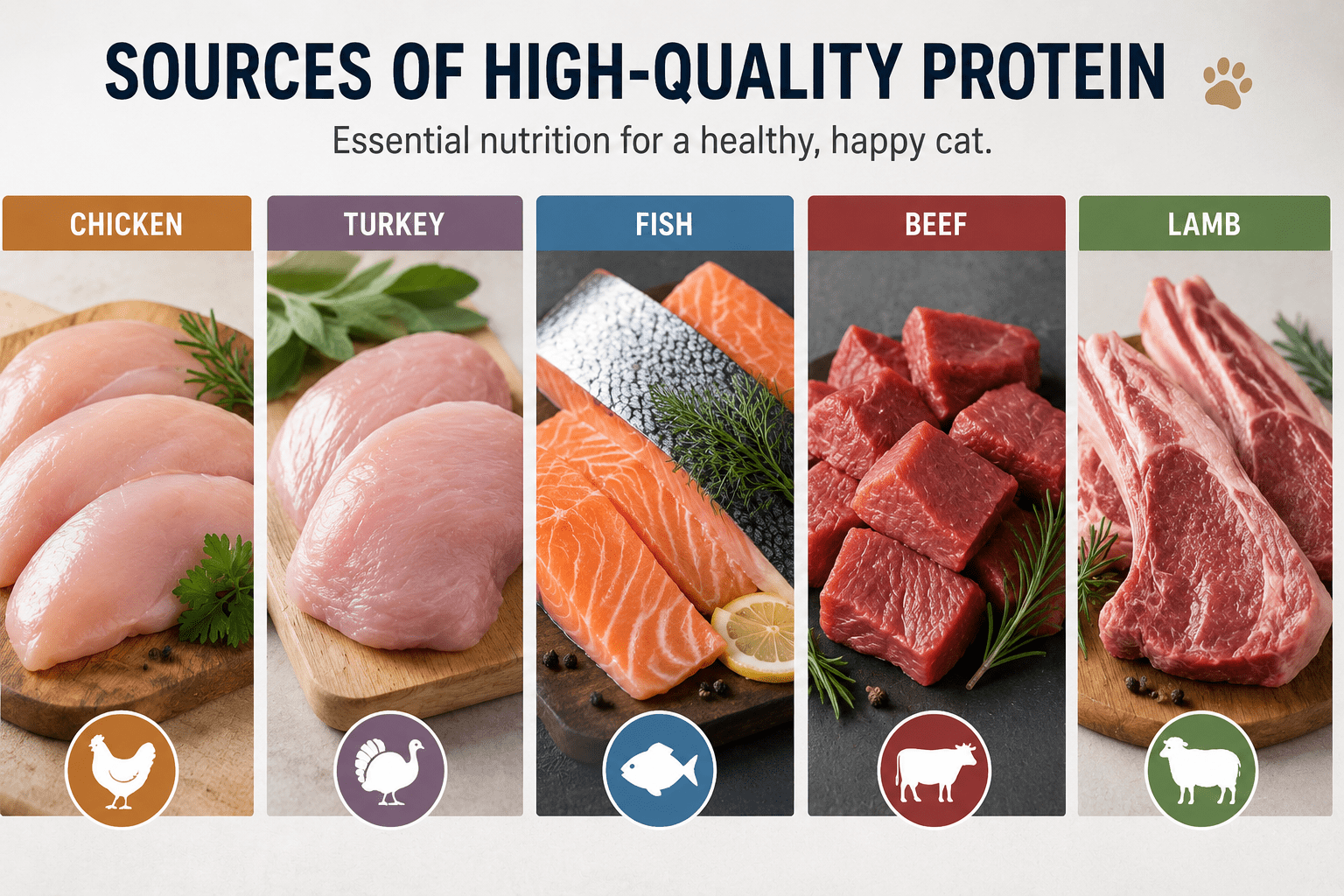
Sources of high-quality protein include:
- Chicken
- Turkey
- Fish
- Beef
- Lamb
When reviewing food labels, animal protein should appear among the first ingredients listed.
One of the most important considerations when selecting food is finding the best high protein cat food for cats that supports muscle health without contributing to excessive weight gain.
Essential Fats Support Energy and Skin Health
Healthy fats provide concentrated energy and help maintain a shiny coat and healthy skin. Omega-3 and omega-6 fatty acids are especially beneficial for reducing inflammation and supporting overall wellness.
Fish oil and animal fats are common sources of these nutrients in quality cat foods.
Taurine Is Non-Negotiable
Taurine is an essential amino acid that cats cannot produce in sufficient amounts. Without adequate taurine, cats may develop heart disease, vision problems, and reproductive issues.
The Association of American Feed Control Officials requires commercial cat foods to contain appropriate taurine levels, making complete and balanced diets the safest option.
Choosing the Right Diet Based on Life Stage
A cat’s nutritional requirements change throughout life. Feeding age-appropriate food helps ensure proper development and health maintenance.
Kitten Nutrition Requirements
Kittens experience rapid growth and require more calories, protein, and nutrients than adult cats. Foods formulated for kittens support bone development, muscle growth, and brain function.
Pet owners searching for the best diet for kittens and growing cats should focus on foods specifically labeled for growth and development. These diets provide the additional nutrients needed during the first year of life.
Kittens generally benefit from multiple small meals throughout the day to support their high energy needs.
Adult Cat Nutrition
Adult cats require balanced nutrition that maintains a healthy weight and supports daily activity. The ideal diet depends on whether the cat lives primarily indoors or spends time outdoors.
Indoor cats often have lower activity levels and may need controlled calorie intake to prevent weight gain.
Many owners look for the healthy cat feeding guide for indoor cats to help establish portion control and avoid overfeeding, which remains one of the leading causes of feline obesity.
Senior Cat Nutrition
As cats age, metabolism, digestion, and activity levels change. Senior cats may require diets with easily digestible proteins, moderate calorie levels, and additional nutrients that support joint and kidney health.
Veterinarians often recommend monitoring weight closely in older cats because both obesity and unintended weight loss can signal health issues.
Wet Food vs Dry Food: Which Is Better?
One of the most common questions cat owners ask is whether wet food or dry food is healthier.
Benefits of Wet Food
Wet food contains significantly more moisture than dry kibble. Increased hydration supports kidney function and urinary tract health.
Advantages include:
- Higher water content
- Stronger aroma and taste
- Easier chewing for older cats
- Often higher protein content
Cats naturally have a low thirst drive, making wet food a valuable source of hydration.
Benefits of Dry Food
Dry food offers convenience and generally costs less than canned options. It is easy to store and can remain available for longer periods.
Benefits include:
- Convenient feeding
- Longer shelf life
- Lower cost per serving
- Easy storage
However, dry food contains less moisture and may require additional attention to water intake.
Many pet owners compare wet food versus dry food for cats health before deciding whether to feed one type exclusively or combine both for a balanced approach.
Reading Cat Food Labels Correctly
Understanding food labels can help you identify quality products and avoid misleading marketing claims.
Check the First Ingredients
The first several ingredients make up the majority of the food. High-quality products typically list animal proteins first.
Look for:
- Chicken
- Turkey
- Salmon
- Beef
- Lamb
Avoid foods where fillers dominate the ingredient list.
Look for Complete and Balanced Nutrition
Choose foods that meet standards established by recognized organizations such as the Association of American Feed Control Officials.
These formulations are designed to provide all essential nutrients required for specific life stages.
Evaluate Guaranteed Analysis
The guaranteed analysis section provides information about protein, fat, fiber, and moisture content.
Higher protein levels generally indicate a diet more aligned with natural feline nutritional needs.
Special Diet Considerations for Cats
Some cats require specialized diets because of health conditions, sensitivities, or lifestyle factors.
Weight Management Diets
According to the Association for Pet Obesity Prevention, more than 60 percent of cats in the United States are overweight or obese. Excess weight increases the risk of diabetes, arthritis, and cardiovascular problems.
For overweight pets, selecting the best weight management diet for overweight cats can help reduce excess body fat while maintaining lean muscle mass.
These diets often contain:
- Higher protein levels
- Controlled calories
- Increased fiber
- Balanced nutrients
Sensitive Stomach Diets
Some cats experience digestive issues caused by food sensitivities or ingredient intolerances.
Cats with recurring digestive discomfort may benefit from the best cat food for sensitive stomach and digestion that contains highly digestible ingredients and limited additives.
Common signs of digestive sensitivity include vomiting, diarrhea, gas, and inconsistent stool quality.
Urinary Health Diets
Urinary tract issues are common among cats, particularly males. Certain diets are designed to support urinary health by managing mineral levels and encouraging hydration.
Veterinarians frequently recommend these specialized diets for cats with a history of urinary problems.
How Much Should You Feed Your Cat?
Even the healthiest food can contribute to weight gain if portion sizes are excessive. Feeding requirements vary based on age, weight, activity level, and overall health.
Most commercial foods include feeding guidelines, but these recommendations should be adjusted according to your cat’s individual needs.
Regular weight monitoring helps ensure that feeding amounts remain appropriate.
Cats should maintain a visible waistline when viewed from above and should not have excessive fat covering the ribs.
Common Feeding Mistakes Cat Owners Make
Many well-intentioned owners unknowingly make dietary choices that negatively affect their cat’s health.
Overfeeding
Excess treats and oversized meal portions contribute significantly to feline obesity.
Even small daily calorie surpluses can result in substantial weight gain over time.
Frequent Table Scraps
Human foods often contain ingredients that are unsuitable for cats. Excess salt, seasoning, and unhealthy fats can create digestive problems and nutritional imbalances.
Switching Foods Too Quickly
Sudden dietary changes can upset a cat’s digestive system. New foods should be introduced gradually over seven to ten days.
Mixing increasing amounts of the new food with the old food allows the digestive system to adapt comfortably.
What Recent Research Says About Feline Nutrition
Recent studies from organizations such as the American Veterinary Medical Association and the World Small Animal Veterinary Association continue to emphasize the importance of species-appropriate nutrition.
Research shows that diets rich in high-quality animal protein help maintain lean muscle mass and support healthy aging. Studies also indicate that adequate hydration plays a critical role in reducing urinary tract issues and supporting kidney function in domestic cats.
Veterinary nutrition experts increasingly recommend individualized feeding plans rather than one-size-fits-all approaches. Factors such as age, body condition, medical history, and activity level should all influence dietary decisions.
When to Consult a Veterinarian
While general nutrition guidelines are helpful, some situations require professional advice.
Speak with your veterinarian if your cat experiences:
- Sudden weight loss
- Persistent vomiting
- Chronic diarrhea
- Excessive thirst
- Changes in appetite
- Food allergies
A veterinarian can recommend dietary adjustments or therapeutic diets tailored to your cat’s specific health needs.
Conclusion
Choosing the best diet for your cat involves much more than selecting the most popular brand on the shelf. A healthy feline diet should provide high-quality animal protein, essential nutrients, balanced calories, and appropriate hydration based on your cat’s age and health status.
By understanding ingredient labels, considering life-stage requirements, and addressing specific health concerns, you can make informed choices that support your cat’s long-term well-being. Every cat is unique, and the ideal diet is one that meets their individual nutritional needs while helping them maintain a healthy weight, strong muscles, and an active lifestyle.
Providing proper nutrition today can help your feline companion enjoy a healthier and happier future.
Frequently Asked Questions
What is the healthiest diet for a cat?
The healthiest diet contains high-quality animal protein, essential nutrients, balanced fats, and adequate moisture. The ideal choice depends on your cat’s age, activity level, and health condition.
Is wet food better than dry food for cats?
Wet food provides more moisture, which supports hydration and urinary health. Dry food offers convenience and affordability. Many veterinarians recommend a combination of both.
How often should I feed my cat?
Most adult cats do well with two meals per day. Kittens generally require more frequent feeding because of their higher energy needs.
Can cats eat a vegetarian diet?
Cats are obligate carnivores and require nutrients found naturally in animal products. A vegetarian diet may not adequately meet their nutritional requirements.
How do I know if my cat’s food is high quality?
Look for animal protein among the first ingredients, complete and balanced nutrition statements, and formulations that meet recognized nutritional standards.