


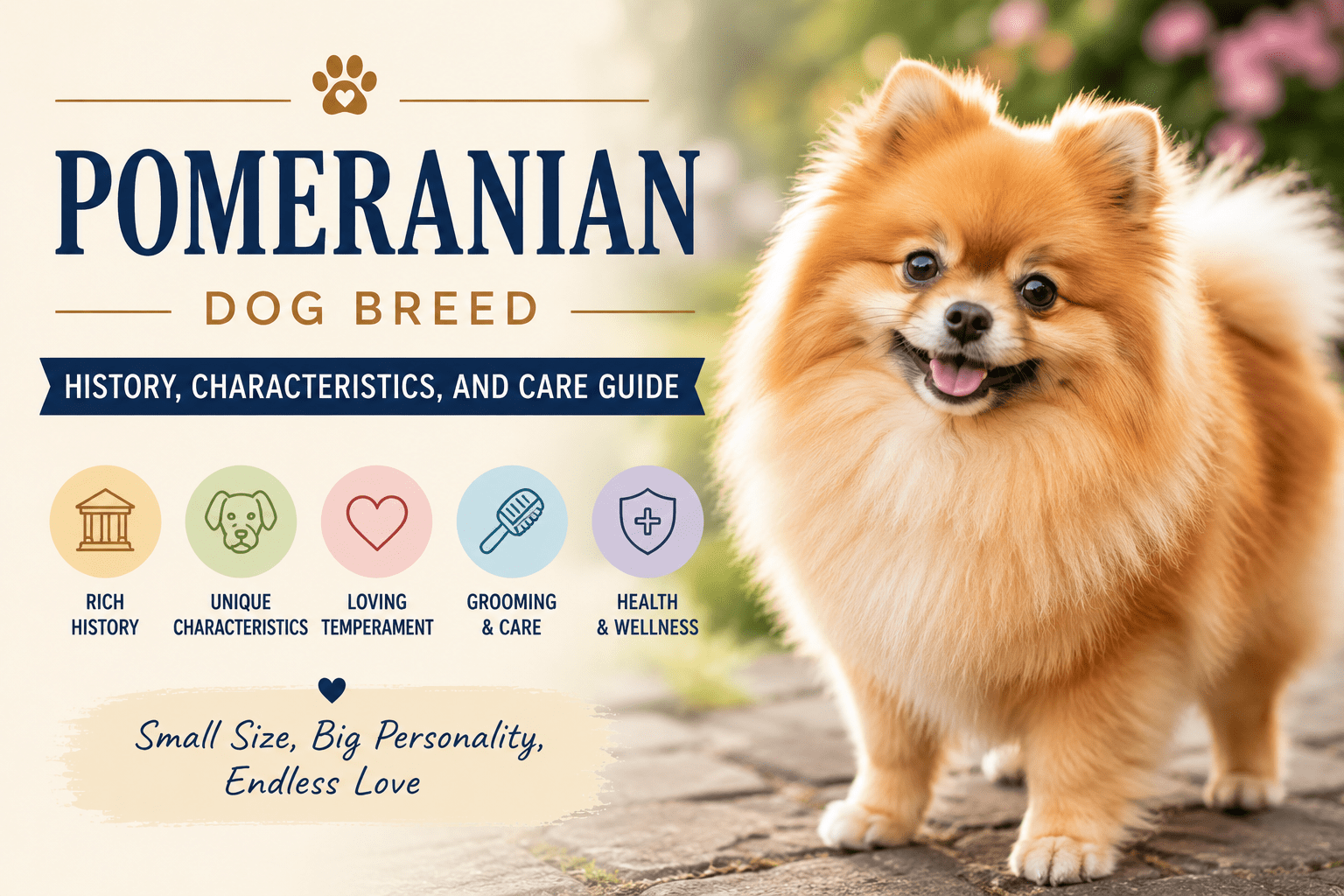
The Pomeranian is one of the most recognizable toy dog breeds in the world. With its fluffy coat, fox-like face, and lively personality, this small dog has captured the hearts of pet lovers for generations. Despite its compact size, the Pomeranian possesses remarkable confidence, intelligence, and charm that often make it seem much larger than it actually is.
Many people are drawn to the breed because of its adorable appearance, but there is much more to the Pomeranian than its beautiful coat. These dogs are known for their alert nature, loyalty, and strong attachment to their families. Whether you are considering adopting a Pomeranian puppy or simply want to learn more about the breed, understanding its history, temperament, care requirements, and health needs is essential.
This comprehensive Pomeranian dog breed guide explores everything you need to know, helping prospective owners make informed decisions and ensuring current owners provide the best possible care.
What Is a Pomeranian?
The Pomeranian is a small companion dog belonging to the Spitz family of breeds. Known for its luxurious double coat and lively expression, the breed has become one of the most popular toy dogs worldwide.
Although modern Pomeranians typically weigh only a few pounds, they descended from much larger working dogs. Their ancestors were capable of pulling sleds and assisting with various tasks in harsh northern climates. Over time, selective breeding reduced their size while preserving their intelligence, alertness, and energetic nature.
Today, the Pomeranian is primarily kept as a companion animal and is admired for its affectionate personality and adaptability to different living situations.
The History of the Pomeranian Dog Breed
Understanding the Pomeranian’s history provides valuable insight into its personality and behavior today.
Origins in the Pomerania Region
The breed gets its name from the historical region of Pomerania, which was located along the southern coast of the Baltic Sea and is now part of modern-day Germany and Poland.
The early ancestors of the Pomeranian were considerably larger than the dogs we know today. These Spitz-type dogs were used for herding livestock, guarding property, and performing various working roles in northern Europe. Their thick coats helped them survive cold climates, while their intelligence made them highly versatile working companions.
Royal Influence and Popularity
The Pomeranian’s transformation into a smaller companion dog began when members of European royalty became interested in the breed. One of the most influential figures in the breed’s development was Queen Victoria.
During a visit to Italy in the nineteenth century, Queen Victoria became fascinated with smaller Pomeranians and brought several back to England. Her enthusiasm significantly increased the breed’s popularity among the upper classes and encouraged breeders to develop smaller versions.
As breeding efforts continued, the Pomeranian gradually evolved into the toy-sized dog recognized today. The breed quickly gained popularity throughout Europe and eventually spread worldwide.
Modern-Day Pomeranians
Today, Pomeranians are among the most popular companion dogs in many countries. Their attractive appearance, adaptable nature, and lively personality make them a favorite choice for individuals, families, and seniors alike.
While they no longer perform working duties, they retain many traits inherited from their larger ancestors, including alertness, confidence, and intelligence.
Pomeranian Appearance
The Pomeranian’s distinctive appearance is one of its most appealing features. Despite their small stature, they possess a proud and confident presence.
Size and Weight
Adult Pomeranians are classified as toy dogs due to their small size.
Most healthy adults stand between 6 and 7 inches tall at the shoulder and weigh approximately 3 to 7 pounds. Their compact build makes them suitable for apartment living and urban environments while remaining sturdy enough to enjoy daily activities.
Coat and Texture
The breed’s double coat is one of its defining characteristics. The outer coat is long, straight, and fluffy, while the undercoat is dense and soft.
This combination creates the signature “puffball” appearance that many dog lovers find irresistible. The thick coat also contributes to the breed’s elegant and regal look.
Coat Colors
Pomeranians come in a wide variety of colors and patterns. Common coat colors include:
- Orange
- Cream
- White
- Black
- Blue
- Chocolate
- Red
- Sable
Some dogs may also display multi-colored patterns, making each Pomeranian unique in appearance.
Pomeranian Temperament and Personality
One reason the Pomeranian remains so popular is its engaging personality. These dogs are often described as having a big-dog attitude in a small-dog body.
Confident and Fearless
Despite their small size, Pomeranians are remarkably confident. They frequently approach new situations with curiosity and enthusiasm rather than fear.
This fearless nature can sometimes lead them to challenge larger dogs or investigate unfamiliar environments without hesitation. Responsible supervision helps keep them safe while allowing them to explore and learn.
Loyal and Affectionate
Pomeranians form strong bonds with their owners and enjoy being involved in everyday activities. They often seek companionship and prefer spending time with their families rather than being left alone for extended periods.
Their affectionate nature makes them excellent companions for individuals seeking a devoted and attentive pet.
Intelligent and Alert
The breed is highly intelligent and learns quickly when provided with consistent training. Pomeranians are naturally alert and attentive to their surroundings, which makes them effective watchdogs despite their small size.
They are quick to notify owners of visitors or unusual sounds, although training may be necessary to prevent excessive barking.
Are Pomeranians Good Family Dogs?
Pomeranians can make excellent family pets when their needs and limitations are understood.
They generally enjoy interacting with family members and thrive in households where they receive regular attention and engagement. Older children who understand how to handle small dogs respectfully often develop strong relationships with Pomeranians.
However, families with very young children should exercise caution. Due to their small size, Pomeranians can be injured if accidentally dropped or handled roughly. Teaching children proper interaction techniques is essential for creating a safe and positive environment.
Training a Pomeranian
Training plays an important role in developing a well-mannered and confident Pomeranian.
Start Training Early
Pomeranian puppies benefit greatly from early socialization and obedience training. Exposure to different people, environments, sounds, and experiences helps build confidence and reduces the likelihood of fear-based behaviors later in life.
Early training establishes positive habits and creates a strong foundation for future learning.
Positive Reinforcement Works Best
Like many intelligent breeds, Pomeranians respond exceptionally well to positive reinforcement methods. Treats, praise, toys, and affection can motivate them to learn new commands and behaviors.
Harsh corrections often create anxiety and may reduce a dog’s willingness to participate in training sessions.
Address Barking Early
One common challenge among Pomeranians is excessive barking. Their alert nature can cause them to react quickly to unfamiliar sights and sounds.
Consistent training, mental stimulation, and proper socialization help reduce unnecessary barking while preserving their natural watchdog instincts.
Exercise Requirements
Although they are small dogs, Pomeranians still require regular physical activity and mental enrichment.
Most adults benefit from daily walks and interactive play sessions. Short periods of exercise throughout the day help maintain physical health while preventing boredom.
Activities that many Pomeranians enjoy include:
- Daily walks
- Interactive puzzle toys
- Obedience training
- Indoor games
- Fetch sessions
Providing a balance of exercise and mental stimulation contributes significantly to overall well-being.
Grooming a Pomeranian
Proper grooming is essential for maintaining the health and appearance of a Pomeranian’s coat.
Brushing Requirements
The dense double coat requires regular brushing to prevent mats and tangles. Most owners find that brushing several times each week keeps the coat in excellent condition.
During seasonal shedding periods, more frequent grooming may be necessary to remove loose undercoat hair.
Bathing
Bathing should occur as needed, typically every four to six weeks. Using gentle dog-specific shampoos helps maintain healthy skin and coat quality.
After bathing, thorough drying is important because moisture trapped within the dense undercoat can contribute to skin issues.
Nail and Ear Care
Regular nail trimming prevents discomfort and mobility issues. Ears should also be checked routinely for signs of dirt, irritation, or infection.
Establishing grooming routines early helps dogs become comfortable with handling and maintenance procedures.
Common Pomeranian Health Issues
While generally healthy, Pomeranians may be predisposed to certain medical conditions.
Dental Disease
Dental problems are among the most common health concerns in small dog breeds. Crowded teeth can contribute to plaque accumulation and gum disease.
Daily tooth brushing and routine veterinary dental care significantly reduce these risks.
Tracheal Collapse
This condition affects the windpipe and may cause coughing or breathing difficulties. Maintaining a healthy weight and using a harness instead of a collar can help reduce strain on the trachea.
Luxating Patella
Luxating patella occurs when the kneecap moves out of its normal position. Severity varies, and some cases require veterinary intervention.
Heart Conditions
Some Pomeranians may develop heart disease as they age. Regular veterinary examinations help identify potential concerns early and improve treatment outcomes.
Alopecia and Skin Issues
Certain Pomeranians experience coat loss conditions that affect hair growth. Proper nutrition, veterinary guidance, and routine health monitoring help support skin and coat health.
Feeding and Nutrition
A balanced diet plays a major role in supporting long-term health and vitality.
High-quality dog food containing appropriate levels of protein, healthy fats, vitamins, and minerals helps maintain muscle condition, coat quality, and energy levels. Portion control is particularly important because excess weight can place additional stress on joints and internal organs.
Fresh water should always be available, and treats should be offered in moderation to avoid obesity.
Living With a Pomeranian
Pomeranians adapt remarkably well to various living environments. Whether residing in an apartment, condominium, or larger home, they can thrive as long as their physical and emotional needs are met.
These dogs enjoy companionship and often prefer being near their owners throughout the day. Because they form strong attachments, prolonged isolation may contribute to separation anxiety and behavioral issues.
Providing routine, interaction, training, and enrichment helps create a happy and balanced lifestyle.
Final Thoughts
The Pomeranian may be small in size, but it possesses an extraordinary personality. From its fascinating origins as a larger working Spitz dog to its modern role as a beloved companion, the breed continues to captivate dog lovers around the world.
With proper training, grooming, nutrition, exercise, and veterinary care, a Pomeranian can provide years of loyalty, affection, and entertainment. Understanding the breed’s history, characteristics, and care requirements allows owners to build a strong relationship with their dog and enjoy all the unique qualities that make the Pomeranian such a cherished companion.
Share Your Pomeranian Story Through a Guest Post
Whether you have raised a Pomeranian puppy, cared for a senior Pom, participated in dog shows, or discovered helpful grooming and health care techniques, your experience could help fellow dog lovers make informed decisions and provide better care for their pets. Real-life experiences and expert advice often offer valuable perspectives that readers appreciate.
We welcome passionate dog owners, breeders, trainers, veterinarians, and pet enthusiasts to contribute a guest post on Pomeranian dog breed to Petoppia.
Frequently Asked Questions About Pomeranians
How Long Do Pomeranians Live?
The average Pomeranian lifespan ranges from 12 to 16 years. With proper nutrition, routine veterinary care, and a healthy lifestyle, many individuals enjoy long and active lives.
Do Pomeranians Shed?
Yes, Pomeranians shed. Although they are relatively small, their dense double coat sheds throughout the year and more heavily during seasonal coat changes.
Regular brushing helps manage shedding and keeps the coat looking its best.
Are Pomeranians Easy to Train?
Pomeranians are intelligent and capable learners. Consistency, patience, and positive reinforcement generally produce excellent training results.
Can Pomeranians Live in Apartments?
Yes, Pomeranians are well-suited to apartment living. Their small size and moderate exercise needs make them ideal companions for urban environments, provided they receive adequate activity and mental stimulation.
Is a Pomeranian Right for You?
A Pomeranian can be an excellent choice for individuals seeking a loyal, intelligent, and entertaining companion. Their manageable size, adaptability, and affectionate nature make them appealing to a wide range of dog owners.
However, potential owners should be prepared for regular grooming, consistent training, and a dog that thrives on companionship. Those willing to invest time and attention often find the Pomeranian to be a deeply rewarding pet.