


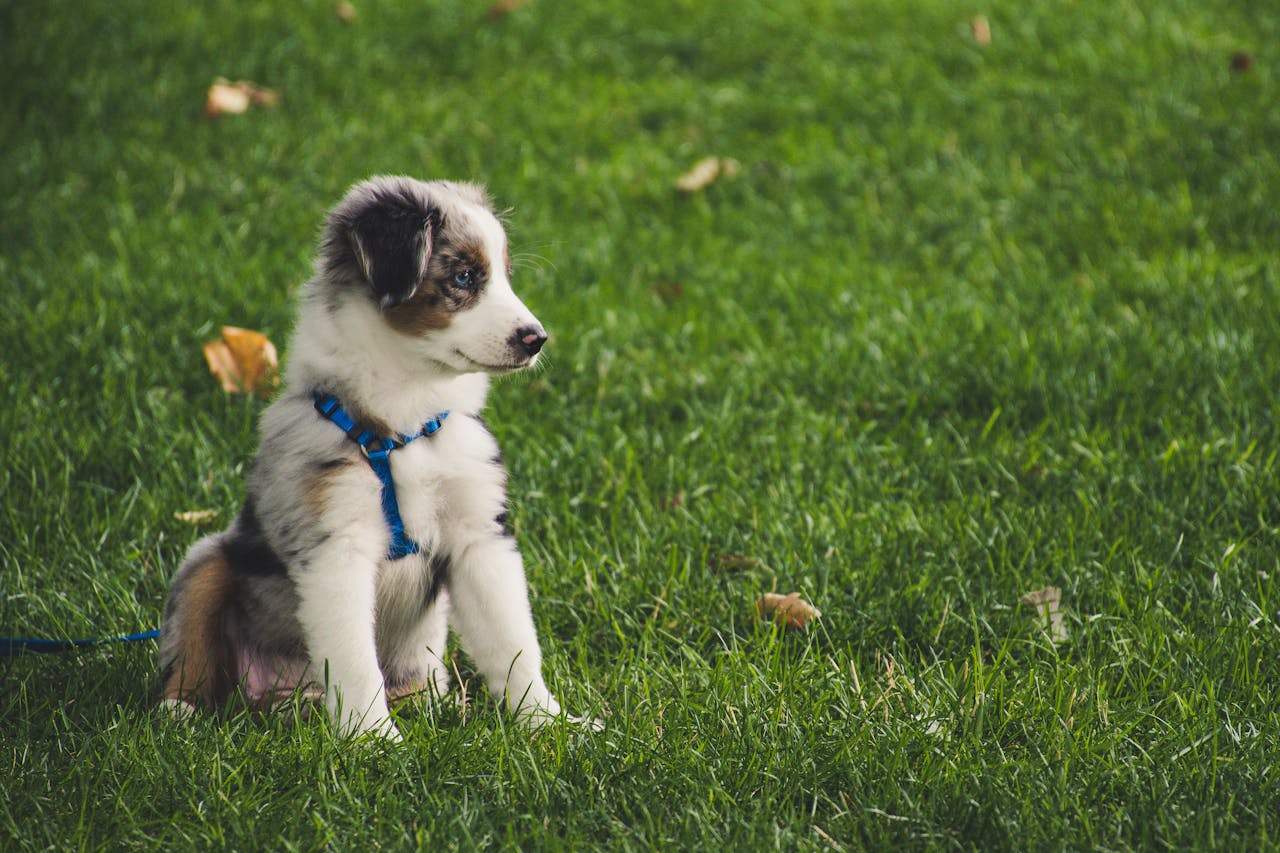
You’ve just received word that all employees at your company, including you, will have to return to the office next month. Although you look forward to experiencing somewhat of a return to normalcy at work, you’re afraid that your puppy, Rufus, won’t be quite as happy about it. And understandably so.
The reality is, when dogs are forced to return to lengthy days by themselves after having their owners around them for months on end, some dogs take this transition in stride, but others may experience panic, fear, and stress. In fact, research shows that 20-40% of dogs that are taken to North American practices focusing on animal behavior end up being diagnosed as having separation anxiety.
You can take steps now to prevent your pooch from developing separation anxiety. Here’s a look at what separation anxiety looks like in your dogs, as well as strategies that may help you to keep your puppy from becoming overly anxious this spring season.
Separation Anxiety Signs
As a general rule of thumb, dogs function best when they’re given predictability and consistency, so they can easily become stressed whenever abrupt changes occur. In fact, most puppies cry or whine when they are left alone. However, if your puppy becomes disruptive or destructive when you leave him alone for the first time (or the first few times), this is a sign that he is battling separation anxiety.
Disruptive and destructive behavior may range from tearing up a room, constantly whining and barking, or inappropriately relieving himself inside your home. Your dog might also howl nonstop, chew items in your home, or scratch at your front door.
Note that some puppies have a genetic predisposition to developing separation anxiety. Meanwhile, this issue can be triggered in other dogs later in life, usually due to traumatic events (for example, being at animal shelters). Either way, you can help your puppy to avoid or cope with this type of anxiety in a number of ways.
Develop a Routine for Your Puppy
One of the best things you can do to prevent your puppy from developing separation anxiety is to start a solid routine for him to follow when you’re at work. In fact, you should practice this routine now before you return to work to help him to cope with the coming change in your routine more easily. In addition, you’ll need to make sure that your family members stick to this schedule.
For example, be consistent when giving your puppy potty breaks, walks, and food. In addition, let Rufus have alone time even when you’re at home. As an example, you can put him in his own room or behind a doggy gate to give him independent space while you’re in the house.
You may also want to leave the house at least three days per week to get Rufus accustomed to having the house to himself. During these moments, feel free to do some essential shopping, go for a stroll, or even relax on your deck to read your favorite book. In addition, gradually increase the amount of time you spend away from home over a one to two-week period. You can use your webcam or home security camera at any time to gauge how your dog is handling your absence after certain periods of time.
Take Advantage of Enrichment Activities and Calming Tools
Enrichment activities and calming tools can furthermore help you to set Rufus up for successful stints at home in your absence.
For enrichment, consider getting your dog an interactive feeding toy, as this will provide him with the physical and mental stimulation he needs to thrive. In addition, institute a game where you get your dog to find treats hidden throughout the house. This will give your puppy something constructive to do and reward him in the process.
If you’re interested in preventing or treating anxiety using calming tools, consider using dog-appeasing pheromones. Your dog will simply inhale the pheromone, a natural chemical, to experience a calming sensation. Food supplements called nutraceuticals, such as Anxitane and Zylkene, may also help to reduce his anxiety due to featuring health-promoting additives. Try to introduce these calming tools to Rufus before you return to work so that he doesn’t only link them with your departure.
Get Connected
If you have family and friends in town, consider enlisting them to further help your puppy to avoid developing separation anxiety. While you’re at work, they can stop by your home to take care of your puppy if he begins to experience distress, for example.
Also, now couldn’t be a better time to hire a dog walker to accompany your dog for a brief period during the day. During your dog’s temporary adjustment period, a doggy daycare provider may also provide your pooch with some companionship if he is feeling stressed out by your absence.
Master the Art and Science of Crating Your Puppy
Have you considered using a puppy crate for Rufus while you are away from home? If so, you may increase your puppy’s chances of remaining calm while also avoiding getting into trouble. However, if you want the crate to work for you and not against you, it’s paramount that you crate train Rufus properly.
For starters, give your puppy a chance to use the bathroom before crating him. In addition, crate Rufus for brief periods of time while you are in the house, and gradually boost his crate time each day until you return to work. Then, when you return to work, have him spend several hours a day in the crate. During the practice period, be sure to reward his quiet behavior with soothing praise.
Also, try to place Rufus’s crate in an area where he’ll be less likely to feel alone and isolated. For instance, you can put the crate in a bedroom. Choose a place where he can feel soothed by your voice as well as some occasional petting when you’re in the area.
Note that the majority of puppies don’t require crating permanently. However, it’s best not to rush freedom for your puppy. He likely won’t be ready for unsupervised freedom throughout your house until he is at least 1.5 years old.
Give Your Puppy Plenty of Attention
Keep in mind that even though it is wise to give Rufus space and time away from you while at home, you should also give him plenty of attention when you’re both together. If you withhold your attention from your puppy, his behavior might actually become worse, as this treatment from you will seem weird to him.
So, be sure to keep your pooch involved in your household. However, before you allow your young children to handle him, be sure to teach them how to work with their furry family member. In addition, supervise their actions in the beginning, to make sure that the children aren’t inadvertently causing Rufus stress and anxiety. Note that if your dog is among the most child-friendly breeds, this process will be easier for your children, your dog, and you.
Practice Leaving and Returning Effectively
As you work on helping Rufus to adjust to your work schedule change, try to avoid making arriving and leaving home too eventful.
If you give him lots of goodbyes or hugs when you leave home, this might actually increase his anxiety level, so stay calm when you head out for the day. In addition, avoid getting too excited upon your return. Instead, let Rufus out of the crate right away so that he can relieve himself outside. Then, show him love in a calm, soothing way.
Additional Puppy Separation Anxiety Prevention Hacks
Still having trouble with your puppy’s separation anxiety? A time-tested method that may work for him involves warming a water bottle and wrapping it in a soft towel or blanket. You should then place the bottle in your puppy’s crate. This will remind Rufus of his mom and siblings and will thus have a calming effect on him.
Additional alternate methods of treating anxiety in pups include using CBD, or cannabidiol, oil. This type of oil is a proven tool for improving a severely anxious dog’s anxiety symptoms. In addition, try to create white noise in your house while you’re away. Having a TV or radio on can be extremely calming to a pet who struggles with separation anxiety.
Protect Your Puppy from the Ill Effects of Separation Anxiety Today!
Dealing with puppy separation anxiety can understandably be stressful—both for you and for your pup. However, you can easily help your puppy to feel more comfortable when at home without you by following the above steps.
Also, remember that punishing Rufus won’t eliminate his separation anxiety. Instead, it’s critical that you gradually adjust him to being without you for long periods. In addition, if your pet still has trouble with separation anxiety after you have worked with him, consider consulting your veterinarian, an animal behavior professional, or a reputable puppy trainer for additional guidance for your furry friend.